
If you still handle purchase orders (POs) by email and inventory on spreadsheets, it costs you time wasted, incorrect orders, and concealed expenses. A procurement and inventory management systemconnects purchasing decisions to stock levels directly, so each PO, receipt, and invoice generated links to your inventory ledger. That one shift eliminates reconciliation effort, accelerates approvals, and keeps both overstock and stockout at bay. Let’s discuss in detail:
What Is Procurement and Inventory Management Software?
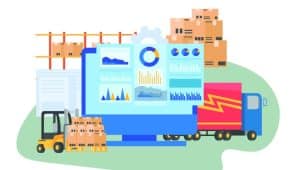
Procurement and stock management software integrates the role of strategic buying with the strict management of stock, automating all the activities from purchasing products to their ultimate sale or manufacturing consumption. In contrast to isolated inventory monitors, these comprehensive platforms provide organizations with a single platform to handle the whole procurement cycle, starting from request and approval to ordering, receipt, warehousing, use, and monitoring products.
Procurement vs inventory vs integrated systems
Procurement software: Requisitioning and buying tools that deal with the creation of POs, approvals, vendor contracts, and invoice matching.
Inventory management software: Physical stock tracking tools that create receipts, counts, transfers, valuations, lot/batch/expiry, and reorder logic.
Procurement and inventory management software (integrated): An environment in which POs, receipts, and inventory files are interlinked and automated. When a PO is received, levels automatically change; when inventory falls below thresholds, POs can be created or recommended. It is the most significant capability to have for operational precision.
Why integration is important: It separates manual handoffs that introduce data errors, accelerates cash-to-order cycles, and allows for accurate forecasting.
Market overview & trends (US & worldwide)
The worldwide purchasing and inventory management software market was worth approximately USD 2.31 billion in 2024 and is expected to grow steadily, portraying a high adoption curve for cloud and AI features.
Large distributors and retailers are moving aggressively to use AI to preclude shortages and optimize regional assortments — Target, Walmart, and Home Depot are spending money on AI-based inventory systems. This is proof of high-value, real-world effects from intelligent stock tools.
Core Features of Procurement and Inventory Management Software Explained
A procurement and inventory management software unites purchasing, inventory, and supplier management. Below are the main features that every robust system should possess — and why they are important.
Purchase Order Generation & Smart Workflows
Automate PO creation from approved requests, initiate multi-level approvals, and deliver them directly to suppliers. It accelerates procurement, promotes compliance, and creates a digital audit trail for each transaction.
Three-Way Matching (PO → GRN → Invoice)
The system reconciles purchase orders, receipts, and invoices automatically to prevent overpayments or misbilling. It enhances accuracy, minimizes payment delays, and raises supplier confidence.
Real-Time Inventory Tracking
Monitor inventory in all warehouses with real-time reporting and barcode or RFID scanning. Real-time visibility removes unnecessary duplicate orders, stockouts, and provides purchasing decisions on the most current inventory.
Tracking Batches, Lots, and Expiry Dates
Every item needs to have batch numbers, production and expiry dates and details. This measure allows full traceability, regulatory compliance, and prevents losses due to expired or misplaced items.
Forecasting Demand and Replenishing Stock
Anticipate demand and suggest optimal reorder levels based on historical sales, lead times, and seasonal trends. This approach reduces excess stock while ensuring critical materials are available.
Risk Assessment and Supplier Management
Consolidate supplier data on cost, delivery, and quality KPIs. Active monitoring and risk assessment give reliable partners and will ensure you do not have gaps in your supply.
Analytics, Alerts, and Dashboards
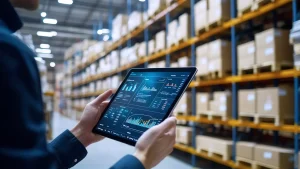
Visual dashboards displaying the most critical KPIs, like PO cycle time and inventory turnover, become actionable prompts for teams to guide rapid and sound decision-making. Alerts foresee problems in the operational data. This allows for proactive measures.
Mobile & Offline Access
Mobile apps enable teams to capture receipts or transfers from anywhere — offline. When connected, data syncs automatically, ensuring accuracy in records and keeping operations ongoing.
Business Benefits & ROI — Real Impact from Integrated Procurement and Inventory Software
Lower inventory carrying costs
ntegrated procurement and inventory management software brings procurement decisions and stock data into one system, eliminating the guesswork that causes overordering. Having automated reorder points and real-time visibility ensures you purchase exactly what you need, when you need it.Manual planning switched with data forecasting lowers surplus inventory by 10–40%, which represents saved cash and decreases the costs of storage. This is crucial in high-value-adding industries like agriculture, where products are perishable or seasonally limited – strong cash flows and fewer write-offs are direct results.
More rapid procurement cycles:
Automation transforms the way purchase orders flow through your organization. Rather than tedious emails, version mismatches, and missing approvals, digital workflows send requests to the correct individuals in real-time and automatically generate POs when approved. This transparency reduces purchasing cycles by 30–60%, as shown by several procurement automation case studies. Personnel have less time chasing paper and more time negotiating with suppliers or examining spend, which speeds operations without expanding headcount.
Fewer stockouts and missed sales:
When ordering and inventory are synchronized, restocking is proactive and not reactive. Predictive analytics detect impending shortages before they strike and auto-reorder based on actual demand patterns. Companies with AI-powered inventory systems have improved product availability by as much as 35%, Business Insider’s 2025 Retail Operations Report states. It translates to less downtime for distributors and agribusinesses alike, timely deliveries, and better customer retention.
Fewer accounts-payable exceptions:
A significant financial benefit of a purchase order inventory management system is automated three-way matching of purchase orders, receipts, and invoices. By confirming each payment against verified goods and quantities, businesses significantly lower mismatches and invoice disputes. This enhances supplier trust, speeds up payments, and enables finance teams to close books quickly with fewer manual touches. Through time, automation in AP processes can reduce processing errors by 25–50%, freeing up savings in early-payment discounts and lower administrative burden.
Greater negotiating power and supplier relationships:
Transparency of data shifts the supplier relationship from reactive to strategic. With performance data—lead time consistency, quality rates, and responsiveness—available live and in real time, procurement leaders can easily identify reliable partners and reward them with favored contracts.Trust is made more robust, supply risk is decreased, and a long-term partnership is made easier. Research conducted by GEP and Deloitte indicates that organizations utilizing supplier performance analytics realize 5–10% cost savings through more intelligent sourcing and improved vendor alignment.
Use Cases & Industry Examples — AgriChain in Action
With today’s high-speed supply chains, precision, transparency, and timely decision-making are imperative. AgriChain makes it possible for companies in agriculture, distribution, retail, and manufacturing to simplify operations, save waste, and optimize procurement by linking all touchpoints — from the farm to the factory floor.
Agriculture & Agri-Input Supply Chains
Farming is naturally complicated, with seasonal demand, perishable inputs, and dispersed vendors. AgriChain connects farm-level consumption and warehouse stocks, making smart, timely reorders according to planting cycles. Its platform keeps track of batches and expiries, records stock updates offline, and connects farm usage to central procurement, minimizing delays and wastage.
Manufacturing
AgriChain brings material planning and purchase orders together for manufacturers to keep production running. Just-in-time delivery, lot tracking, and quality control are all seamlessly managed, reducing downtime while ensuring traceability and reliability throughout operations.
How to Select the Proper Procurement and Inventory Management Software
Industry Features
Each industry has different requirements. Agriculture, for example, needs batch and expiration tracking, lot management, and regulated input compliance checks. Manufacturing organizations require materials planning support, whereas retailers are concerned with demand forecasts and inventory transfers. Choose a purchase order inventory management system that is appropriate for your business rather than an all-purpose tool.
Integrations and APIs
The right purchasing and inventory management software needs to fit seamlessly into your current ecosystem — ERP, accounting, logistics, and eCommerce platforms. Seamless integration guarantees consistency in data across departments, eliminating manual entry and reconciliation.
Forecasting and AI
New solutions leverage AI to forecast demand and recommend the best reorder points. This prevents overstocking or depletion of key materials. Even a basic level of predictive analytics can significantly enhance planning accuracy.
Mobile and Offline Use
If your employees operate in warehouses, fields, or outlying depots, mobile and offline capabilities are a must. Workers must be able to accept goods or log stock movement even without an internet connection, syncing automatically when they go online.
Support, Security, and Cost
Effective implementation assistance and training can be the difference between making or breaking adoption. Making vendors provide onboarding assistance and high-response service a priority. Also, make sure the purchasing and inventory software fulfills minimum data security criteria and complies with your budget — not only in licensing costs, but overall maintenance and user expenses.
Implementation Playbook — Step-by-Step
Implementing a new procurement and inventory system requires planning, not guessing. A phased rollout minimizes disruption and maximizes the chance that your team will actually use the tool.
1. Establish Goals and KPIs: Begin by having well-defined objectives — quicker PO approvals, reduced stockouts, improved visibility. Select measurable KPIs such as inventory turnover or order cycle time to measure success.
2. Clean and Prepare Your Data: Bad data creates bad automation. Get your supplier list, SKU codes, units of measure, and lead times standardized prior to migrating. Clean data guarantees correct reporting and prevents confusion down the line.
3. Configure and Integrate: Implement approval workflows, stock levels, and reorder rules that mirror your actual business process. Link the system to your accounting or ERP system so everyone works from the same data.
4. Pilot and Test: Pilot a small one—to—one warehouse or product category for a short time. Collect user feedback, tune settings, and work out kinks before rolling it out to the rest of the business. This avoids a big disruption during full roll-out.
5. Train and Roll Out: Train users by role, procurement, warehouse, and finance — so that everyone understands how their piece connects. Roll it out gradually and offer speedy support in the transition.
6. Track and Optimize: Post Go-live, monitor your KPIs tightly. Leverage actual outcomes to adjust reorder rules, approval levels, and reports. Ongoing improvement keeps the system on track with your operations as you expand.
Future Outlook
AI and Predictive Systems: Artificial Intelligence is already assisting purchase order and inventory management software in accurately predicting demand and suggesting optimal reorder points. In the foreseeable future, systems will not only forecast — they’ll suggest from whom to purchase and when, using cost and delivery information.
IoT and Real-Time Stock Monitoring: Linked sensors, smart dumpsters, and RFID tags allow real-time monitoring of stock levels. If stock falls below specified levels, the system automatically orders — minimizing delays and man dependency.
Blockchain for Traceability: Blockchain follows each step of a product from the customer to the supplier. It provides industries such as pharmaceuticals or agriculture safer, compliant, and transparent supply chains.
Adaptive Learning Models: Machine-learning programs will automatically create reorder rules based on future demand history, lead time, and vendor performance in the near future. This does away with guesstimation by humans and can provide the optimum cost vs. availability trade-off.
Conclusion & next steps
Integrated procurement and inventory management software is now no longer a choice — it’s a foundational driver of speed, accuracy, and resilience. Whether your business is an agri-input supply chain, a retail chain, or a manufacturing plant floor, proper purchase order and inventory management software saves costs and gives you the information you need to plan with confidence.
FAQs: People Also Ask
Is purchasing and inventory software just for big companies?
No—it helps small, midsize, and large businesses. Cloud subscription pricing makes these systems available to companies of any size.
How does it aid with compliance?
Auto-generated audit trails, documentation, and regulatory reporting simplify passing audits and satisfying certification requirements significantly.
Can it avoid stockouts and losses?
By streamlining reorder points, incorporating forecasting, and sending immediate notifications, stockouts and waste in inventory are greatly eliminated.
Is integration with other systems straightforward?
Most top-of-the-line purchasing and inventory software systems, like AgriChain, provide API-based interfaces and plug-ins to ERP, CRM, ecommerce, and accounting systems.