
A record harvest doesn’t mean a record year. That is the trap catching out grain businesses in 2026: production is up, but so are input costs, and the margin between the two is thinner than the tonnage numbers suggest.
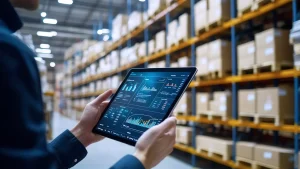
The businesses staying ahead aren’t the ones with the biggest harvest. They are the ones who can see their costs, contracts, and positions in real time, and act on that before a margin gets eaten alive by a fuel bill or a missed compliance deadline.
Here are five shifts defining agricultural supply chains in 2026, backed by real data, and what each one means for how you run your operation this year.
1. The Supply Chain Software Market Is Scaling Fast
The global agriculture supply chain management market was valued at USD 26 billion in 2026. It’s forecast to hit USD 76 billion by 2035.(1) That is 12.65% growth a year.
This growth reflects a real shift across the industry. Businesses that once ran on spreadsheets, phone calls, and paper dockets are moving to platforms that show them contracts, inventory, and freight in real time. Consolidation is speeding this up too. As grain businesses merge and scale, buyers and sellers expect the same digital standard their larger trading partners already use.
This creates a real fork in the road for smaller and mid-sized operators. Adopt early, and you get fewer reconciliation errors, faster settlement, and stronger relationships with counterparties who value speed. Wait, and you don’t just fall behind on efficiency. You start to look like a riskier partner to deal with.
2. Margins Are Under Pressure, Even in Record Years
Australian growers are heading into 2026-27 with input costs still elevated. Fertiliser and fuel disruptions tied to the Strait of Hormuz closure are a big part of why.(2) This is happening even as national crop tonnage sits near record highs.
That is the uncomfortable truth of 2026. A record harvest can still deliver a below-average season financially if costs rise faster than the price your grain fetches. This is exactly why visibility matters. Know your cost, your storage fees, your freight commitments, and your contract obligations in real time, and you can price and time your decisions with confidence. Let that information sit scattered across spreadsheets and inboxes, and you are making decisions on guesswork.
This isn’t isolated to Australia. Growers, traders, and logistics managers across every major grain region are doing the same margin math: input costs up, price certainty down. The businesses managing it well share one thing. They have swapped reactive cost tracking for real-time visibility.
3. Farmers Are Going Digital for Grain Marketing
Adoption tells the story. The share of US farmers using digital tools for grain marketing climbed from 21% in 2024 to more than 31% in 2026, according to recent farm technology industry reporting.(3)
Digital-first grain marketing and contracting is becoming the default, and it’s moving faster than many supply chain businesses have adjusted for. If your growers, buyers, or trading partners already submit offers, track loads, and manage contracts digitally, a platform that cannot keep pace will cost you deals, not just efficiency.
There is a knock-on effect too. As more of the supply chain goes digital, manual processes become the bottleneck. One paper docket, one email confirmation, one phone-based load booking, can slow down an otherwise fully digital transaction for everyone involved. Closing that gap isn’t just about your own efficiency anymore. It’s about staying compatible with how the rest of your supply chain now works.
4. Governments Are Backing Ag Tech Validation
In April 2026, the USDA launched the National Proving Grounds Network for AgTech (NPG-Ag).(4) It is a nationwide initiative to test digital and AI-driven agricultural technologies under real farming conditions.
When the USDA backs ag tech validation at national scale, it sends a clear signal: digital infrastructure now sits at the core of how modern agriculture operates, from the farm gate through to the storage site and the export terminal.
This kind of backing speeds up adoption further down the chain too. As more validated tools enter the market, buyers, growers, and logistics providers face less risk switching from legacy processes to modern platforms. That removes one of agriculture’s biggest historical barriers to going digital: not knowing if the technology actually delivers.
5. Integration and Compliance Are No Longer Optional
Across every market we work in, Australia, the US, and Canada, where licensed elevator systems and Canadian Grain Commission reporting shape how grain moves, one thing holds true. The supply chains with the fewest breakdowns are the ones where systems actually talk to each other.
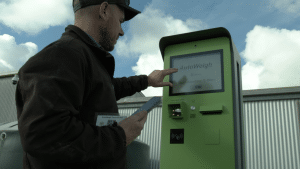
Farm management data, weighbridge records, digital contracts, and compliance documentation all need to live in one connected system. When they don’t, teams lose hours every week chasing paperwork, re-entering data across disconnected tools, or reconciling numbers that should have matched automatically. That is time and margin lost to admin, not to the actual business of growing, storing, or trading grain.
With margins this tight and input costs this high, digital declarations, automated compliance, and integrated freight tracking have become essential, not optional. They are what keeps a supply chain moving instead of grinding through avoidable friction.
What This Means for Your Business
You do not control commodity prices, weather, or global trade disruptions. But you do control how fast you can see a problem and how fast you can act on it.
That is the real difference between the businesses thriving in 2026 and the ones just getting by. It’s not the size of their harvest.
It’s whether they know their cost today, not next week.
Whether a compliance gap gets caught before it delays a shipment.
Whether a contract, a load, and a payment all match up automatically, instead of someone finding the mismatch three weeks later.
AgriChain is built to close that gap. Digital contracting, AutoWeigh integration, real-time position reporting, and automated compliance all sit on one platform, so your team spends less time chasing paperwork and more time making decisions that protect your margin.
See how it works. Book a free demo and find out what better visibility could do for your margins in 2026.
References
- The global Agriculture Supply Chain Management market was estimated at USD 26 billion in 2026, forecast to hit USD 76 billion by 2035.
- ABARES forecasts hefty drops for wheat, barley, canola
- 2026 State of the Farm Report Examines Early AI Use and Broader Digital Trends in Agriculture
- USDA Announces the Creation of the USDA National Proving Grounds Network to Strengthen U.S. Farm and Ranch Profitability
Frequently Asked Questions
What is the biggest agricultural supply chain trend in 2026?
Digital adoption for grain marketing and contracting is the clearest shift, with US farmer adoption climbing from 21% to over 31% between 2024 and 2026. It’s changing how supply chain partners expect to transact.
Why are margins tight even with record production in 2026?
Elevated input costs, particularly fertiliser and fuel, are eating into returns even in years with strong tonnage. Real-time cost visibility is what separates businesses that protect their margins from those that don’t.
How does supply chain software help with compliance?
Integrated platforms connect farm data, weighbridge records, contracts, and compliance documentation in one system, cutting the manual reconciliation work that slows teams down and increases the risk of errors.
What software do grain companies use to manage their supply chain?
Grain companies typically use platforms that combine digital contracting, weighbridge integration, inventory tracking, and compliance automation in one system. AgriChain is one such platform, used across Australia, the US, and Canada to manage contracts, positions, and freight in real time.
What is the difference between traditional and digital agricultural supply chain management?
Traditional supply chain management relies on spreadsheets, paper dockets, and manual communication between growers, storage sites, and traders. Digital supply chain management connects these steps in one system, giving every party real-time visibility into contracts, inventory, and load status instead of waiting on phone calls or emails to confirm information.